
Aloe Vera Oil
View product
This site uses cookies to measure which pages are useful.
Carrier & Vegetable Oils
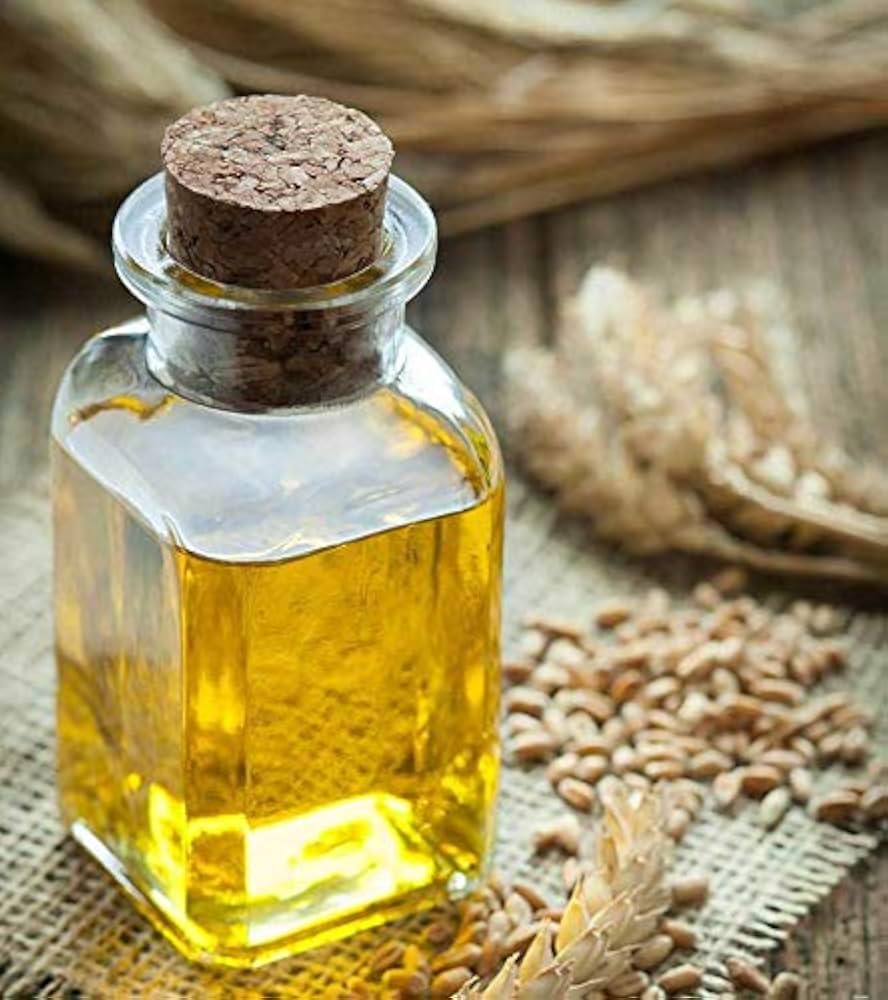
Wheatgerm Oil is a rich, thick carrier oil supplied for skin and hair formulations. It is naturally high in tocopherols, which is why formulators most often use it at modest levels inside a blend rather than as the whole oil phase.
Speak to the sales team about availability, pack sizes and pricing.
Wheatgerm Oil is used as part of the oil phase in skin care and hair care formulations, typically at modest levels within a blend.
Wheatgerm Oil is pressed from the germ of the wheat kernel and supplied as a cosmetic carrier oil. It sits in Cerium's Carrier & Vegetable Oils range, the part of the catalogue that supplies the oil phase rather than a claim.
Three characteristics define how it is used. It is viscous, so it slows a blend down. It is deeply coloured, so it tints a pale base. And it has a pronounced cereal scent that a light fragrance will not hide. None of that stops it being useful; it does mean it is usually a component rather than the whole oil phase.
It is naturally rich in tocopherols, the family of compounds sold separately as vitamin E, and that is the property most formulators are buying when they specify it.
The oil phase decides more about a finished product than most formulators admit. Absorption speed, residue, the way a cream drags or glides under the fingers — all of it comes from the oils, and all of it is what a consumer describes when asked whether they like a product.
Wheatgerm occupies a specific niche: it is the rich, nourishing oil that also brings its own natural antioxidants into the phase. In a nutritive body oil, a dry-skin balm or an intensive hair treatment, a small proportion of wheatgerm adds a depth of richness that lighter oils cannot, while its tocopherol content works in favour of the blend it is sitting in.
Used as the whole oil phase it is usually too much — too heavy, too dark, too strongly scented for most products. Used as a component it is one of the more distinctive carrier oils available, which is why experienced formulators keep it on the shelf.
| Category | 100% Pure Natural Essential Oils, Carrier Oils and Butters |
|---|---|
| Product range | Carrier & Vegetable Oils |
| Applications | Skin CareHair Care |
| Type | Description |
|---|---|
| Cold-pressed wheatgerm oil | Keeps more of the natural colour, scent and tocopherol content. The form usually wanted where the material's own character is the point. |
| Refined wheatgerm oil | Lighter in colour and scent, and easier to formulate into a pale or delicately fragranced product. |
| Application | How it is used |
|---|---|
| Nutritive body oil | A blended anhydrous product where wheatgerm supplies richness and lighter oils carry the bulk and the spreadability. |
| Cream or lotion | As part of the oil phase in an emulsion, used where a nourishing positioning is wanted and the base can carry its colour. |
| Balm | An anhydrous format built on butters and waxes, where a rich liquid oil softens the set and adds depth. |
| Body butter | A heavy, occlusive format where wheatgerm's weight is an asset rather than a problem. |
| Facial oil | Used as a component in a blend aimed at dry or mature skin, rather than as the whole product. |
| Hair oil | A leave-on treatment for lengths and ends, where richness is the point. |
| Hair mask | A rinse-off treatment with longer contact time, where a heavy oil is tolerated. |
| Soap | Vegetable oils are the raw material of soap making, and wheatgerm adds a conditioning character to the bar. |
Finished products this class of material is suited to. Talk to us about your formulation.
Specifications, handling and supply. Nothing on this page is hidden behind a control.
Cerium publishes no specification for Wheatgerm Oil — no tocopherol content, no fatty acid profile, no analytical values — and this page states none. If the vitamin E content is what you are buying it for, that figure has to come from the manufacturer's technical data sheet for the batch you are quoted on, not from a website.
Practical points to design around. It is viscous, so it slows a blend and can make a pump or fine nozzle difficult unless it is cut with lighter oils. It is dark, so it tints a pale product. And its cereal scent comes through a light fragrance. Those three are why it is usually a component rather than the whole phase.
The allergen question is the other thing to settle early: this is a wheat-derived material, and how it must be declared and whether it suits your market are regulatory questions. Ask the manufacturer for allergen documentation and take advice for the market you are labelling for.
As with any vegetable oil, an antioxidant system, containers kept closed and well filled, and storage out of direct sunlight all matter in an oil-rich formulation.
Handle Wheatgerm Oil as you would any cosmetic raw material. Work in a ventilated area, wear gloves and eye protection, and avoid prolonged contact with the neat material — a concentrate is not the finished product and does not behave like it.
Keep containers closed when they are not in use and store them cool, dry and out of direct sunlight. Oils make floors slippery; clean spills promptly.
This is a wheat-derived material. Anyone handling it who avoids wheat or gluten needs to know it is in use, and its colour will stain porous surfaces and clothing.
Cerium publishes no storage or handling figures for Wheatgerm Oil. The manufacturer's technical data sheet and safety data sheet are the documents to work from, and the team will send both.
General guidance. Always work from the safety data sheet supplied with your delivery — it is the document that governs, not this page.
Wheatgerm Oil arrives with the manufacturer's documentation and is recorded against its batch. Cerium's role here is custody rather than manufacture: material is stored as the supplier specifies and the paperwork that came with a batch stays with it.
Cerium publishes no specification of its own for Wheatgerm Oil, and nothing on this page restates one. Where you need a certificate of analysis or a data sheet for a regulatory file, ask for the documents covering the batch you are quoted on — a document that does not match the drum in your store is worth nothing.
Cerium Chemicals supplies Wheatgerm Oil from Nairobi, alongside the rest of the Carrier & Vegetable Oils range, so a formulator sourcing several materials for one project places one order rather than chasing several.
What comes with it is the conversation before the order. Tell the team what you are formulating and they will say whether Wheatgerm Oil is the right material for it, what else in the catalogue does a similar job, and what documentation you will get.
Cerium supplies formulators across East and Central Africa, dispatched from Industrial Area. Delivery times and freight depend on the pack size and the destination, so they are quoted with your order rather than guessed at here.
Materials Cerium supplies for similar work. They are not alternatives or substitutes — nothing in the supplied data establishes that any two products are interchangeable.
Talk to our sales team about availability, pack sizes, delivery and pricing.
Prefer to write? Send an enquiry about Wheatgerm Oil