
Aloe Vera Oil
View product
This site uses cookies to measure which pages are useful.
Carrier & Vegetable Oils
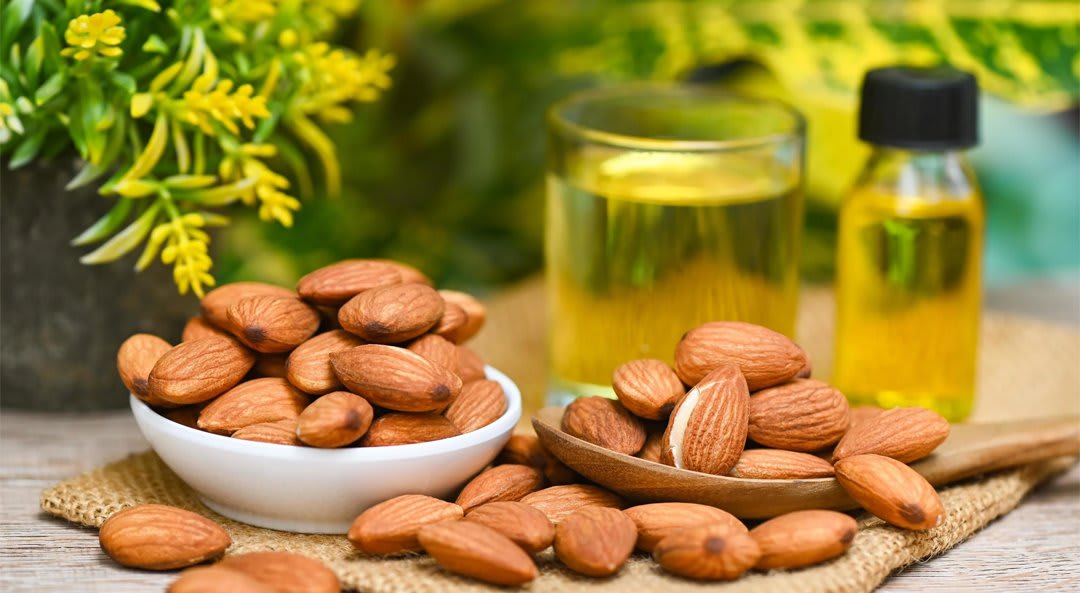
Sweet Almond Oil is a carrier oil supplied for skin care, hair care and massage formulations. Light to medium in weight with a mild scent and good slip, it is one of the most widely used carrier oils in personal care.
Speak to the sales team about availability, pack sizes and pricing.
Sweet Almond Oil is used as the oil phase or part of it in skin care, hair care and massage formulations.
Sweet Almond Oil is pressed from the kernel of the sweet almond and supplied as a cosmetic carrier oil. It sits in Cerium's Carrier & Vegetable Oils range, the part of the catalogue that supplies the oil phase rather than a claim.
It is a general-purpose oil in the best sense: moderate weight, good slip, a mild and slightly nutty scent, and behaviour in an emulsion that holds no surprises. Formulators use it as the backbone of an oil phase and then adjust around it with lighter or heavier oils.
There is a distinction in the name that is worth being precise about. Sweet almond and bitter almond are different materials from different varieties, and only sweet almond oil is the general-purpose cosmetic carrier described here.
The oil phase decides more about a finished product than most formulators admit. Absorption speed, residue, the way a cream drags or glides under the fingers — all of it comes from the oils, and all of it is what a consumer describes when asked whether they like a product.
Sweet almond oil matters because it is the safe middle. A formulator building a new product needs somewhere to start, and starting with an oil that is well understood, widely available and acceptable to customers removes a variable from a project that has plenty of others. It spreads well, it absorbs at a reasonable rate, and it does not fight a fragrance.
It is also the traditional massage oil, which means a large category of professional buyers already specify it by name — a commercial fact worth knowing when you decide what goes on your label.
| Category | 100% Pure Natural Essential Oils, Carrier Oils and Butters |
|---|---|
| Product range | Carrier & Vegetable Oils |
| Applications | Skin CareHair Care |
| Type | Description |
|---|---|
| Sweet almond oil | Pressed from the sweet almond kernel. The general-purpose cosmetic carrier oil described on this page. |
| Bitter almond | A different variety and a different material, handled under different rules. Not interchangeable with sweet almond oil — confirm which one a formula or a supplier means. |
| Refined and cold-pressed grades | Refining lightens colour and reduces scent; cold-pressed material keeps more of both. Which you want depends on whether the fragrance has to stand alone. |
| Application | How it is used |
|---|---|
| Massage oil | The format this oil is best known for — slip and working time are what a massage oil is judged on, and both are what it provides. |
| Body oil | A large-volume anhydrous format where spreadability and a comfortable absorption rate matter more than anything else. |
| Facial oil | A single-oil or blended product, light enough for facial use without feeling heavy. |
| Cream or lotion | As the backbone of the oil phase in an emulsion, adjusted with lighter or heavier oils around it. |
| Baby product | A traditional category for this oil. Allergen labelling and the caution around nut-derived materials in products for infants both apply, and are decisions for you and your regulatory adviser. |
| Hair oil | A leave-on product for lengths and ends, light enough not to weigh hair down. |
| Cleansing oil | An oil-based cleanser where the oil lifts makeup and sunscreen and then rinses away. |
| Balm | An anhydrous format built on butters and waxes, where a liquid oil softens the set and controls how it melts on contact. |
| Soap | Vegetable oils are the raw material of soap making, and sweet almond contributes a mild, conditioning character. |
Finished products this class of material is suited to. Talk to us about your formulation.
Specifications, handling and supply. Nothing on this page is hidden behind a control.
Cerium publishes no specification for Sweet Almond Oil — no fatty acid profile, no analytical values — and this page states none. Ask for the manufacturer's technical data sheet and the certificate of analysis for the batch you are quoted on.
The allergen question is the one to settle early. This is a nut-derived material, and how it must be declared on a finished product, and whether it is appropriate for the market you are selling into, are regulatory questions rather than formulation ones. Ask the manufacturer for their allergen documentation and take advice for the market you are labelling for — Cerium does not make that determination for you.
As with any vegetable oil, expect it to oxidise on prolonged exposure to air, warmth and light. An antioxidant system, containers kept closed and well filled, and storage out of direct sunlight all matter in an oil-rich formulation.
Handle Sweet Almond Oil as you would any cosmetic raw material. Work in a ventilated area, wear gloves and eye protection, and avoid prolonged contact with the neat material — a concentrate is not the finished product and does not behave like it.
Keep containers closed when they are not in use and store them cool, dry and out of direct sunlight. Oils make floors slippery; clean spills promptly.
This is a nut-derived material. Consider that in your own workplace as well as on your label — anyone handling it who has a nut allergy needs to know it is in use.
Cerium publishes no storage or handling figures for Sweet Almond Oil. The manufacturer's technical data sheet and safety data sheet are the documents to work from, and the team will send both.
General guidance. Always work from the safety data sheet supplied with your delivery — it is the document that governs, not this page.
Sweet Almond Oil arrives with the manufacturer's documentation and is recorded against its batch. Cerium's role here is custody rather than manufacture: material is stored as the supplier specifies and the paperwork that came with a batch stays with it.
Cerium publishes no specification of its own for Sweet Almond Oil, and nothing on this page restates one. Where you need a certificate of analysis or a data sheet for a regulatory file, ask for the documents covering the batch you are quoted on — a document that does not match the drum in your store is worth nothing.
Cerium Chemicals supplies Sweet Almond Oil from Nairobi, alongside the rest of the Carrier & Vegetable Oils range, so a formulator sourcing several materials for one project places one order rather than chasing several.
What comes with it is the conversation before the order. Tell the team what you are formulating and they will say whether Sweet Almond Oil is the right material for it, what else in the catalogue does a similar job, and what documentation you will get.
Cerium supplies formulators across East and Central Africa, dispatched from Industrial Area. Delivery times and freight depend on the pack size and the destination, so they are quoted with your order rather than guessed at here.
Materials Cerium supplies for similar work. They are not alternatives or substitutes — nothing in the supplied data establishes that any two products are interchangeable.
Talk to our sales team about availability, pack sizes, delivery and pricing.
Prefer to write? Send an enquiry about Sweet Almond Oil