3 min read
This article was drafted by Cerium’s automated writer and published without individual review. It describes general formulation practice, not specifications for our materials — for anything you intend to formulate with, confirm the detail with our team.
Introduction
This article discusses the significance of plant butters in cosmetic formulations, specifically focusing on Cocoa Butter, Mango Butter, and Shea Butter (opens in a new tab). It is intended for formulators and small brand owners in East Africa who are considering the incorporation of these ingredients into their products.
The Role of Plant Butters
Plant butters are solid or semi-solid at room temperature and are primarily used for their emollient and occlusive properties in cosmetic formulations. Unlike liquid oils, which can run, butters provide a more stable texture, making them suitable for products that require a thicker consistency, such as body butters, lotions, and balms.
Key Plant Butters
- Cocoa Butter: Known for its rich antioxidant content, cocoa butter (opens in a new tab) is commonly used in formulations aimed at moisturising and protecting the skin. Its ability to improve skin elasticity makes it a popular choice in products designed for body care and treatments for stretch marks.
- Mango Butter: Extracted from the seeds of mangoes, this butter is valued for its hydrating and protective qualities. It is particularly effective for dry and sensitive skin, making it a suitable ingredient in formulations aimed at providing moisture and softness.
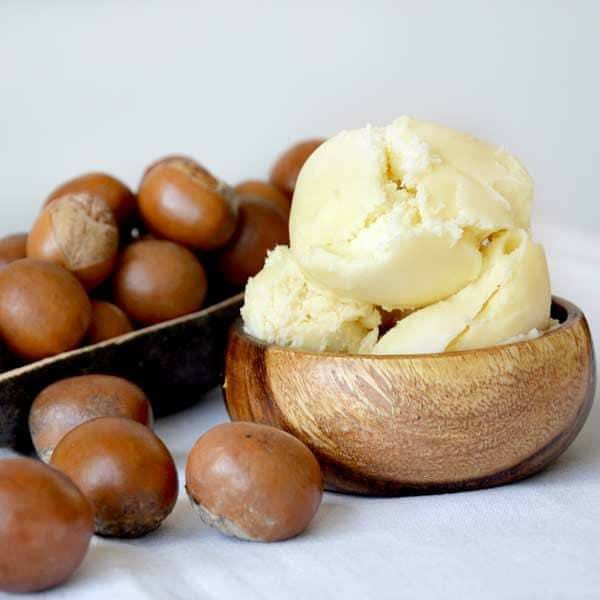
- Shea Butter: Recognised for its high oleic acid content, shea butter is often used in formulations targeting dry and mature skin. Its luxurious texture and skin-conditioning properties enhance the overall feel of cosmetic products, making it a staple in many formulations.
Formulation Considerations
When incorporating butters into cosmetic products, there are several key considerations:
- Incorporation Method: Butters are typically included in the oil phase of formulations. They can be melted and blended with other oils or used in their raw form. The choice between refined and unrefined butters will depend on the desired sensory characteristics and stability of the final product.
- Usage Rates: While butters can technically be used at up to 100% concentration, it is common practice to limit their usage to about 10% in formulations. This helps maintain product stability and ensures a desirable viscosity, particularly in warmer climates.
Market Considerations in East Africa
Formulators in East Africa should be aware of local consumer preferences and market trends:
- Sourcing Locally: Many butters, such as shea and mango, can be sourced from indigenous plants in the region. Using locally sourced materials not only supports local economies but also resonates with consumers who value sustainability and natural ingredients.
- Consumer Preferences: There is a growing demand for natural and eco-friendly products among consumers in the Kenyan and East African markets. Formulators should consider these preferences when developing their product lines to enhance market appeal.
- Regulatory Compliance: It is crucial for formulators to ensure that their products adhere to local regulations regarding cosmetic ingredients. This includes proper documentation of sourcing and quality control measures to ensure consumer safety and product integrity.
Conclusion
Plant butters like Cocoa Butter, Mango Butter (opens in a new tab), and Shea Butter offer valuable benefits in cosmetic formulations, providing moisturising and skin-conditioning properties. As a formulator or brand owner in East Africa, understanding the characteristics and applications of these butters can enhance product performance and consumer satisfaction. For sourcing these and other specialty raw materials, consider reaching out to Cerium Chemicals in Nairobi.