Essential Oils
2 min read
Formulating with Essential Oils: A Guide for East African Brands
This article explores the use of essential oils in personal care formulations, focusing on benefits, incorporation methods, and market trends in East Africa.
This site uses cookies to measure which pages are useful.
Insights
This article discusses hair conditioning agents, their types, and formulation considerations for personal care products.
4 September 2026 · 3 min read

This article was drafted by Cerium’s automated writer and published without individual review. It describes general formulation practice, not specifications for our materials — for anything you intend to formulate with, confirm the detail with our team.
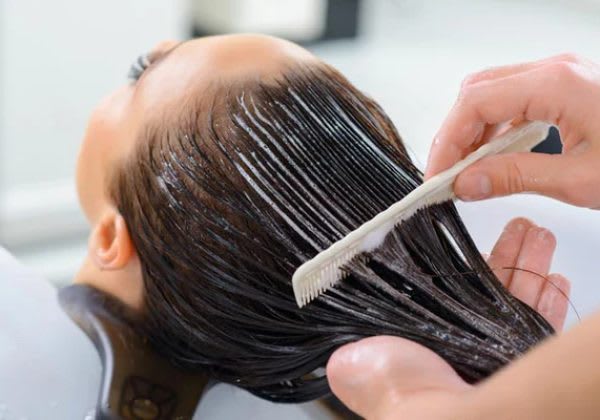
Hair conditioning agents are essential ingredients in personal care formulations, specifically designed to improve the texture and manageability of hair. These agents work by creating a protective layer on the hair’s surface, which helps to smooth cuticles, reduce friction, and enhance moisture retention. As a result, they contribute to softer, shinier, and more manageable hair.
There are several categories of hair conditioning agents, each serving unique functions in formulations:
When incorporating hair conditioning agents into your formulations, it is crucial to consider their chemical properties and compatibility with other ingredients. The choice of conditioning agent will significantly influence the product’s texture, application method, and overall efficacy. Common product types that utilise these agents include shampoos, conditioners, hair masks, and leave-in treatments.
Proper handling of these agents is essential to ensure even distribution throughout the formulation, which will lead to consistent performance across the product. Formulators should also consider the desired performance outcomes when selecting the appropriate conditioning agent.
The hair care market in Kenya and East Africa is experiencing notable growth, driven by increasing consumer awareness and demand for quality products. The hair conditioner market alone is projected to grow significantly, indicating a robust demand for effective hair care solutions.
Consumers are increasingly seeking products that cater to their specific demographic needs and environmental conditions. There is a shift towards natural and organic ingredients, as users become more conscious of the health of their hair and the environmental impact of harsh chemicals. This trend emphasizes the importance of formulating products that not only perform well but also align with consumer values regarding health and sustainability.
As you develop hair conditioning products, consider the following factors that influence consumer preferences:
By understanding these market dynamics, formulators can create hair conditioning products that meet the evolving needs and preferences of consumers in Kenya and East Africa.
In conclusion, Cerium Chemicals offers a selection of hair conditioning agents, including BTMS 50 and PQ 10, suitable for your formulations. For sourcing and further inquiries, please reach out to Cerium Chemicals.
Get in touch
Send us your requirement and our team will come back with what we can supply.