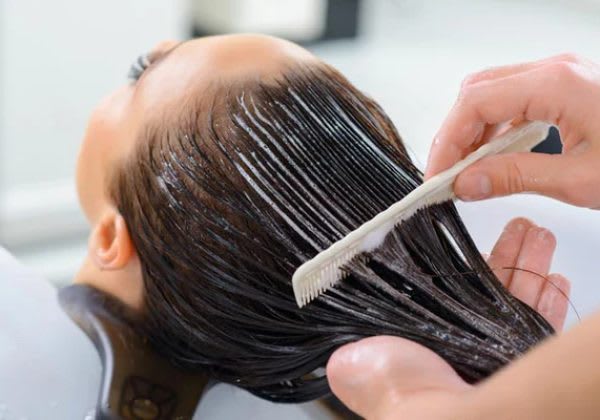

Hair Conditioning Agents
3 min read
Understanding Hair Conditioning Agents for Product Formulation
This article discusses hair conditioning agents, their types, and formulation considerations for personal care products.
This site uses cookies to measure which pages are useful.
Insights
This article discusses the role of emollients in personal care formulations and their significance for formulators in East Africa.
7 September 2026 · 2 min read

This article was drafted by Cerium’s automated writer and published without individual review. It describes general formulation practice, not specifications for our materials — for anything you intend to formulate with, confirm the detail with our team.
Emollients are a key component in personal care formulations, particularly for products aimed at improving skin hydration and texture. This article covers the characteristics of emollients, their formulation considerations, and market trends relevant to formulators and brand owners in East Africa.
Emollients primarily function to enhance skin hydration by forming a barrier on the skin's surface. This barrier helps to reduce water loss and alleviate dryness, resulting in a smoother and more comfortable skin feel. Common categories of emollients include esters, fatty alcohols, and silicones, each contributing unique properties to formulations.
Incorporating emollients into products such as creams, lotions, and moisturisers is essential to achieving desired sensory attributes. The choice of emollient will depend on factors like skin compatibility, texture preferences, and product stability.
When formulating with emollients, consider the following general practices:
The skincare market in East Africa, particularly in Kenya, is witnessing significant growth. Increasing consumer awareness of skin health has led to a rising demand for products that address specific skin concerns, such as dryness and irritation.
Formulators are encouraged to consider natural and sustainable emollient alternatives to align with consumer preferences for clean-label products. This trend is not only in response to local demands but also reflects a global movement towards sustainable and eco-friendly formulations.
When sourcing emollients, buyers in the Kenyan and East African markets should prioritise:
Understanding the role and formulation of emollients is crucial for developing effective personal care products that meet consumer demands in East Africa. For sourcing quality emollients like Caprylic Capric Triglyceride, consider reaching out to Cerium Chemicals, a trusted supplier in Nairobi, for your formulation needs.
Get in touch
Send us your requirement and our team will come back with what we can supply.